 Skip to content
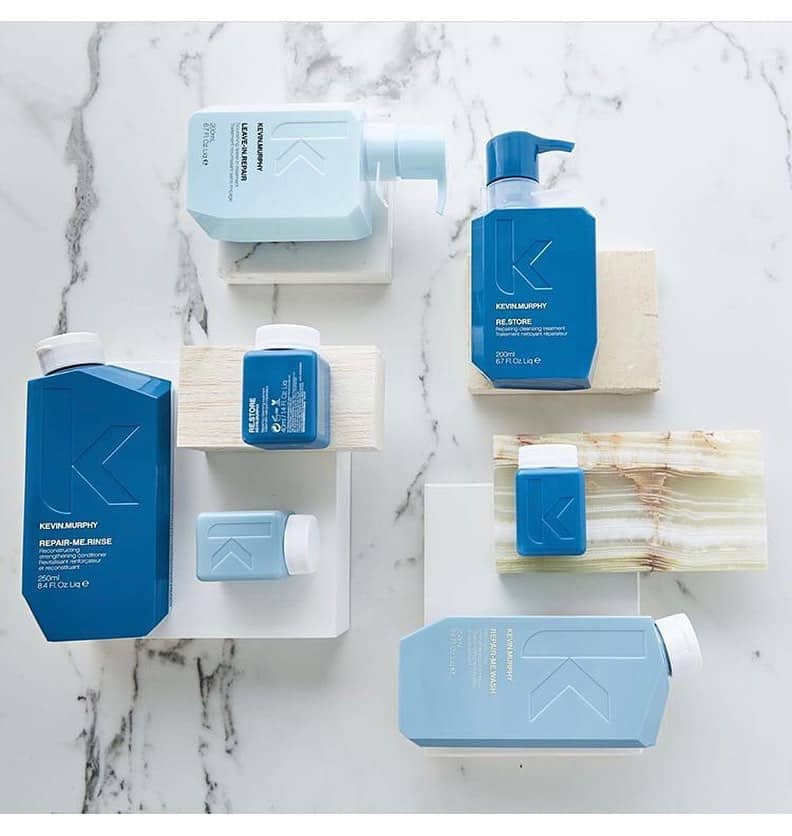
 SJ Beauty Studio in Franklin, TN is proud to exclusively feature Kevin Murphy’s natural beauty products, offering clients a luxurious and environmentally conscious salon experience. Kevin Murphy, an industry icon known for his commitment to sustainability and innovation, has created a line of hair care products that align perfectly with SJ Beauty Studio’s dedication to providing high-quality services in a responsible manner.
At SJ Beauty Studio, clients can indulge in the transformative power of Kevin Murphy’s natural products, which are free from harsh chemicals and environmentally harmful ingredients. The salon’s partnership with Kevin Murphy reflects a shared ethos of prioritizing both beauty and environmental responsibility.
From rejuvenating shampoos to nourishing conditioners and styling products, Kevin Murphy’s range at SJ Beauty Studio offers a comprehensive solution for all hair types and concerns. Clients can trust that they are not only enhancing their natural beauty but also contributing to a more sustainable and eco-friendly beauty industry.
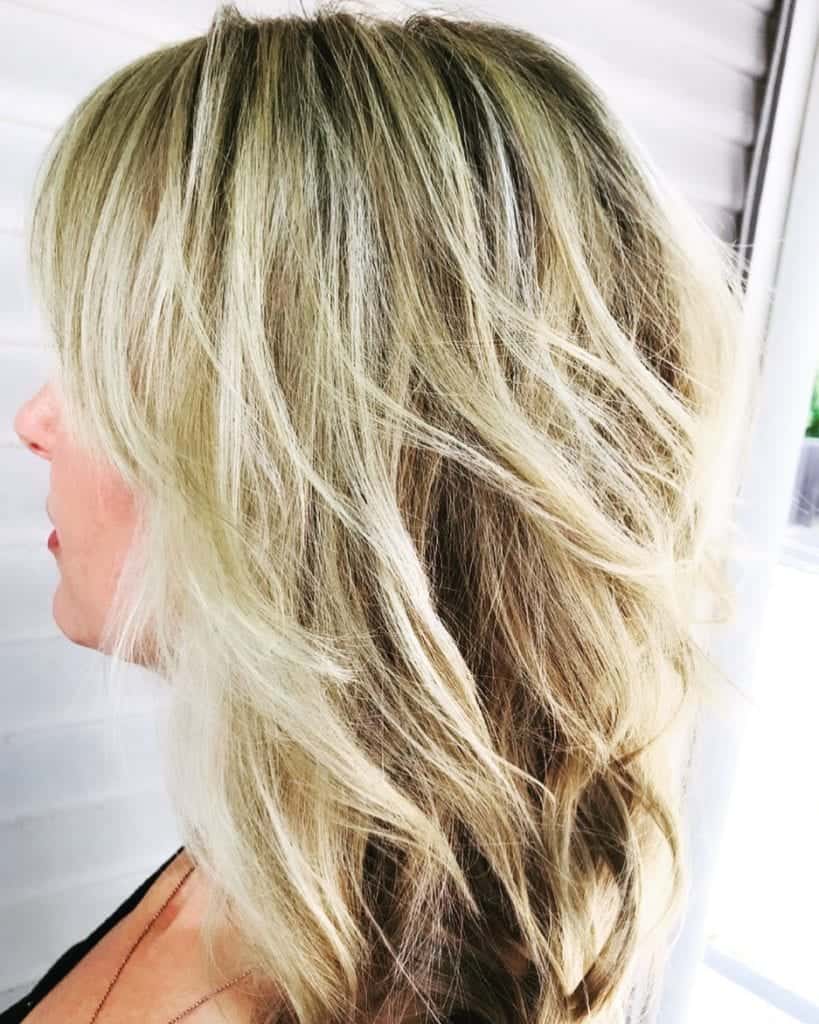
The salon’s team of skilled professionals is well-versed in the unique benefits of Kevin Murphy’s products, ensuring that each client receives personalized recommendations tailored to their hair needs. Whether it’s achieving a sleek and sophisticated look or embracing natural, effortless waves, SJ Beauty Studio and Kevin Murphy collaborate to make every salon visit a memorable and environmentally conscious experience.
By choosing Kevin Murphy’s natural beauty products at SJ Beauty Studio, clients not only invest in their own beauty but also contribute to the larger movement towards sustainability in the beauty industry. It’s a partnership that goes beyond the salon chair, reflecting a shared commitment to a beautiful world both inside and out.




Using natural hair products is important for several reasons, and individuals often choose them for the following benefits:
- Reduced Chemical Exposure: Natural hair products typically contain fewer synthetic chemicals, preservatives, and artificial fragrances. This can reduce the exposure to potentially harmful substances that may cause irritation, allergies, or other adverse reactions.
- Gentler on the Scalp and Hair: Many natural hair products use plant-based ingredients that are gentler on the scalp and hair. Harsh chemicals in conventional products can strip the hair of its natural oils, leading to dryness, breakage, and other issues.
- Environmental Impact: Natural hair products are often produced using environmentally friendly and sustainable practices. They may have biodegradable ingredients, and the manufacturing processes might be less harmful to the environment compared to the production of synthetic alternatives.
- Healthier Hair: Natural ingredients such as aloe vera, coconut oil, shea butter, and herbal extracts can provide nourishment and hydration to the hair. These ingredients may help improve the overall health and appearance of the hair without the need for potentially damaging synthetic additives.
- Cruelty-Free: Many natural hair product brands are committed to cruelty-free practices, meaning they do not test their products on animals. This is important for individuals who prioritize ethical and humane treatment of animals.
- Reduced Allergic Reactions: Synthetic fragrances and harsh chemicals in conventional hair products can cause allergic reactions in some individuals. Natural products, with fewer artificial additives, may be less likely to trigger allergic responses.
- Supporting Sustainable Practices: By choosing natural hair products, consumers often support companies that prioritize sustainable and ethical practices, from ingredient sourcing to packaging.
- Personal Preference: Some people simply prefer using products that align with a natural and holistic lifestyle. Natural hair products often cater to this preference and can be part of a broader commitment to wellness.
It’s important to note that the term “natural” is not regulated, and not all products labeled as such may be entirely free of synthetic ingredients. Reading ingredient lists and understanding product formulations can help consumers make informed choices based on their preferences and specific hair care needs.



The term “chemicals” is broad and can encompass a wide range of substances, both natural and synthetic. Not all chemicals are inherently harmful, and many products, including those designed for hair care, contain chemical compounds that are safe and effective.
However, when people refer to “chemicals” in the context of hair care, they often mean synthetic chemicals or certain harsh ingredients that may have potential drawbacks for hair health. Here are some reasons why some people may be cautious about certain chemicals in hair care products:
- Harsh Cleansers: Some shampoos contain strong detergents and sulfates, which can strip the hair of its natural oils, leading to dryness and damage.
- Drying Agents: Certain chemicals, such as alcohol, can have a drying effect on the hair, leading to increased brittleness and breakage.
- Allergies and Sensitivities: Some individuals may be sensitive or allergic to specific chemical ingredients, leading to irritation, itching, or other adverse reactions on the scalp or skin.
- Cumulative Effects: Regular use of certain chemicals over time may contribute to cumulative damage, especially if the products are not well-formulated or if they are used excessively.
- Environmental Concerns: Some synthetic chemicals found in hair care products may have environmental impacts during production, use, and disposal.
It’s important to note that not all chemicals are harmful, and many products contain ingredients that are thoroughly tested for safety and efficacy. Additionally, different hair types may react differently to various products. Natural ingredients can also have their own set of pros and cons, and some people may find them beneficial while others do not.
If you have specific concerns about certain chemicals or ingredients, it’s a good idea to read product labels, choose products formulated for your hair type, and, if necessary, consult with a dermatologist or hair care professional for personalized advice.

